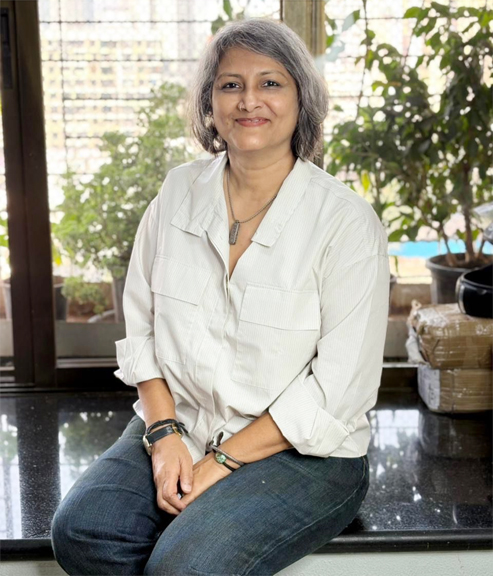
You can love it, hate it, or be tested by it, but you can’t be oblivious to it: Psychic and healer Sharmila Cirvante on Mumbai
You can love it, hate it, or be tested by it, but you can’t be oblivious to it: Psychic and healer Sharmila Cirvante on Mumbai
Mumbai: Natural-born psychic, certified spiritual healer, automatic writer, and spirit guide communicator Sharmila Cirvante has been living in Mumbai for quite some time now and is in love with the vibe of the city. She calls the city an emotion and says, “Mumbai! You can love it, hate it, or be tested by it, but you can’t be oblivious to it. Officially, it’s a Tier I, A-1 city. By definition, that means top-tier infrastructure, economic weight, global relevance, and maybe a lot more that looks good only on paper.”
“In reality, Mumbai is a feeling, an emotion. It’s the restless thumping in your chest, the sleepless energy in your veins, and the invisible force that keeps pushing the finish line a little further, whispering, ‘You can do better. Try again,'” she added.She earlier worked in the advertising industry and called the city, “The Mecca of Advertising.” She said, “The high street of ambition is loud, lit, and impossible to ignore. Living in Mumbai feels like being in a complicated relationship. It’s intense, demanding, unforgiving, and unapologetic, and yet, it gives you stories, grit, and a strange sense of satisfaction that makes leaving feel like betrayal.”
“But ambition extracts a price. Sixty percent of its inhabitants live in slums, overshadowed by the gleam of towering glass and steel. Nearly 7,500 metric tons of waste are generated daily, yet each morning is salvaged by fresh determination and dreams,” she added.
Sharmila describes the monsoon in Mumbai poetically, calling it a drama queen that swallows roads and cars. She said, “Trains bulge beyond capacity with life clinging to them with their fingertips. Traffic sulks for hours.”
She further continued, “Homes cost a lifetime of sacrifices. Space feels limited and disrespected – on the roads, in the trains, and even in conversations. The AQI is as toxic as most work environments. The water system groans under pressure. Infrastructure runs breathlessly, trying to keep up with the city’s speed. And still, offices switch on their lights at 9 a.m. sharp.”She believes that resilience is not infrastructure but the people. She added, “Whatever Mumbai takes from you, she quietly returns in her own generous way.”
Sharmila feels Mumbai makes everyone its own. She said, “Mumbai believes in coexistence. She does not care where you come from, which language you speak, or what your surname suggests. She lets you in, as long as you are willing to work. There is also a quiet sense of safety here, especially for women, that is spoken with gratitude.”
“Late-night local trains, cabs at odd hours, and streets never empty keep the city moving 24/7. While no city is perfectly safe, Mumbai’s culture of collective responsibility stands out. Strangers may not intrude, but they rarely abandon,” she added. She mentioned that in Mumbai, people are always part of something bigger. She said, “Some days it thrills you. Other days it disturbs you. The constant motion can tip into stress. Burnout is real here because slowing down almost feels like weakness.”
How to make it better? “Mumbai needs stronger investments and commitments to sustainable infrastructure, especially flood management that doesn’t surrender to rain and public transport that breathes easier. It needs housing reform that respects dignity. A city cannot shine when the majority lives in inadequate conditions while the minority lives in excess,” she said.”Mumbai is exhausting. Mumbai is inspiring. Mumbai is unfair. Mumbai is unstoppable. Challenging you daily, frustrating you often. And somehow, still convincing you to stay. Perhaps that is its greatest magic,” Sharmila ended.