Growing Water Contamination in Emerging Urban Centres Raises Public Health Concerns
Growing Water Contamination in Emerging Urban Centres Raises Public Health Concerns
Mumbai: Concern over safety of drinking water is increasing across urban India, with areas such as Indore, Gandhinagar and Greater Noida facing maximum impact. Rapid urbanisation, infrastructure strain and growing pressure on natural water sources are contributing to declining drinking water quality in several residential areas, raising serious questions around long-term health and safety.
National groundwater assessments reveal the presence of chemical contaminants such as nitrates, fluoride, arsenic and heavy metals across several regions. According to the Central Ground Water Board, nearly 20% of groundwater samples in India exceed safe chemical limits. As these contaminants do not affect the taste, colour or clarity of water, households may unknowingly consume unsafe water over time.
In cities like Indore, fluctuations in water sourcing and untreated discharge have impacted water quality in certain zones. Gandhinagar and Greater Noida, on the other hand, are witnessing increased groundwater stress due to construction activity, over-extraction and inconsistent treatment processes. These challenges are further compounded by seasonal changes and uneven water management practices across urban localities.
While municipal bodies continue to work towards improving treatment facilities and distribution networks, water quality can vary significantly between neighbourhoods and even within the same building. Infrastructure limitations, maintenance gaps and inconsistent purification at the source often make it difficult for households to rely solely on centralised systems for safe drinking water.
Household water filtration systems act as a critical safeguard against contaminants entering water during storage or distribution. Independent scientific testing, including an IIT Madras study, indicates that ordinary or unbranded filters may lose effectiveness within the first 10 litres of use, while certified filtration solutions maintain high contaminant removal efficiency for extended periods, in some cases up to 12,000 litres.
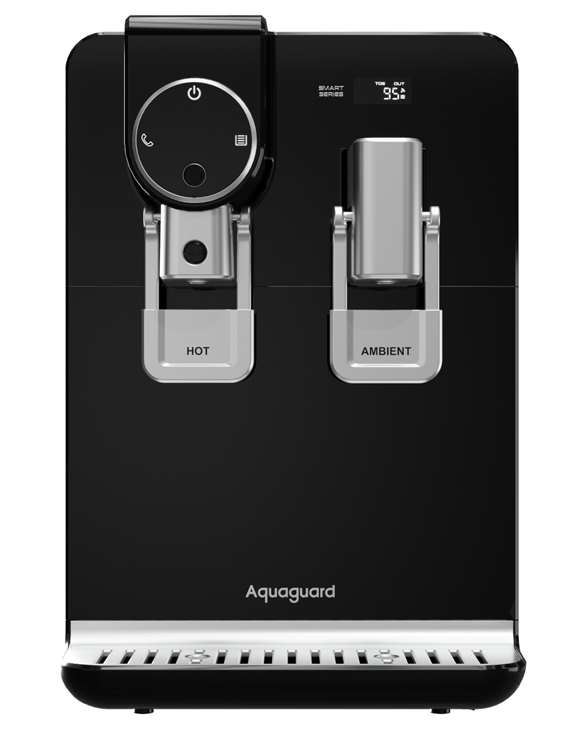
Modern water filtration solutions are designed to address varied water conditions, helping remove physical impurities, reduce chemical pollutants and eliminate harmful microorganisms. Consistent access to purified drinking water supports better digestion, improved immunity and overall well-being.
The focus must extend beyond water availability to quality and safety. Addressing water contamination requires a collaborative approach involving infrastructure upgrades, regulatory oversight and informed household choices. Ensuring safe drinking water at home is a necessary step towards protecting public health and supporting sustainable urban living.